
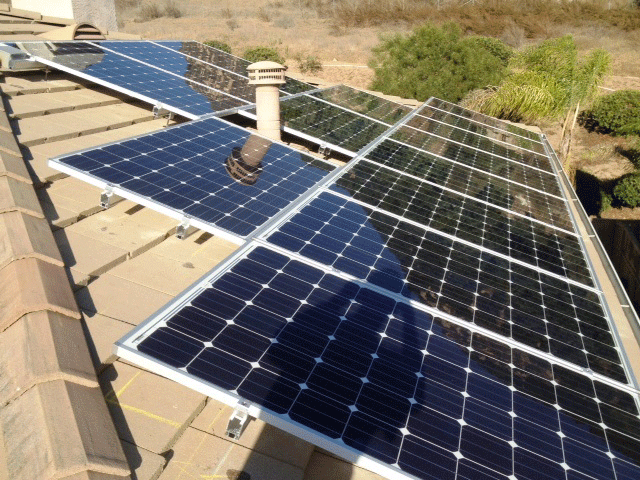
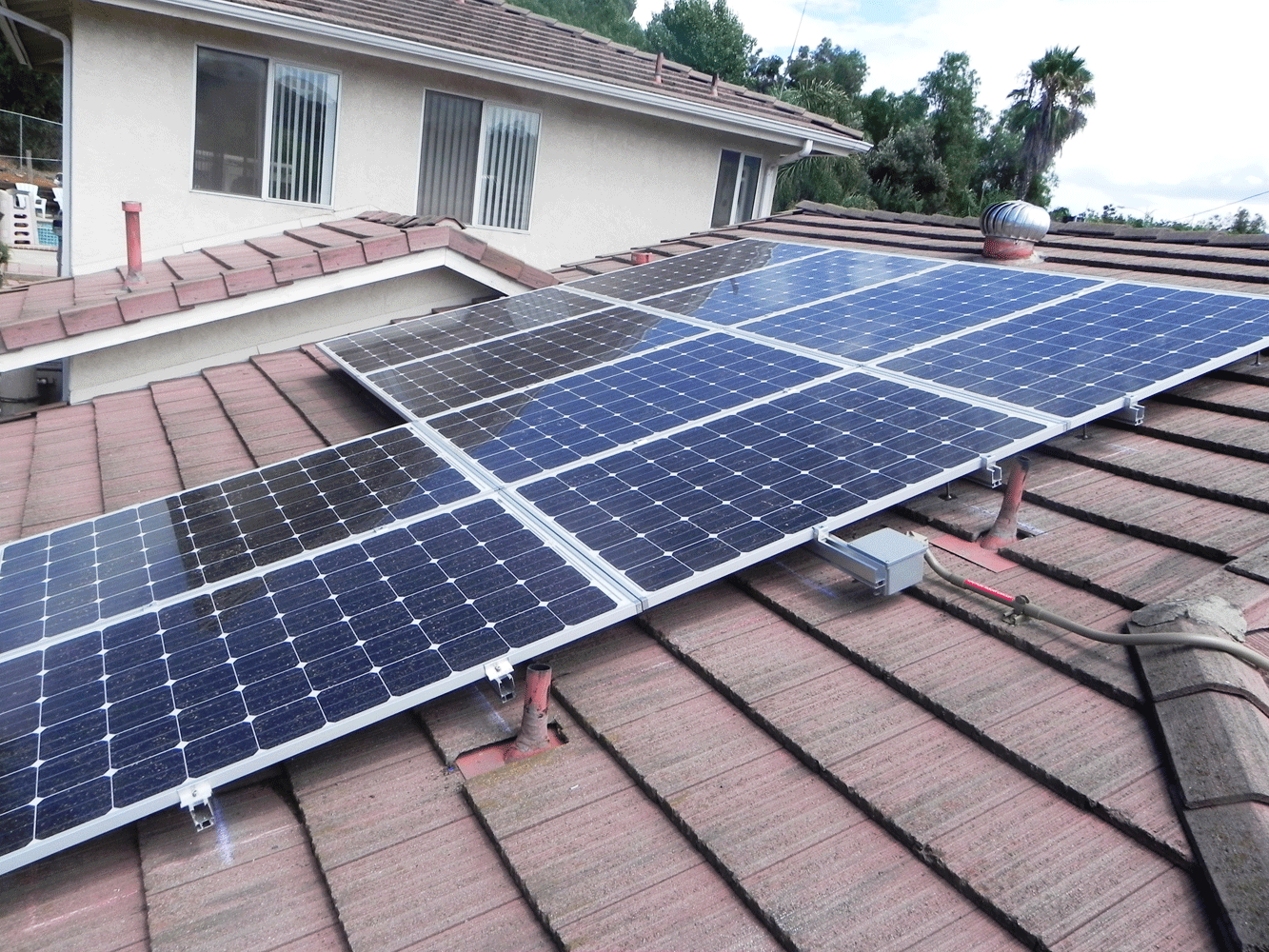
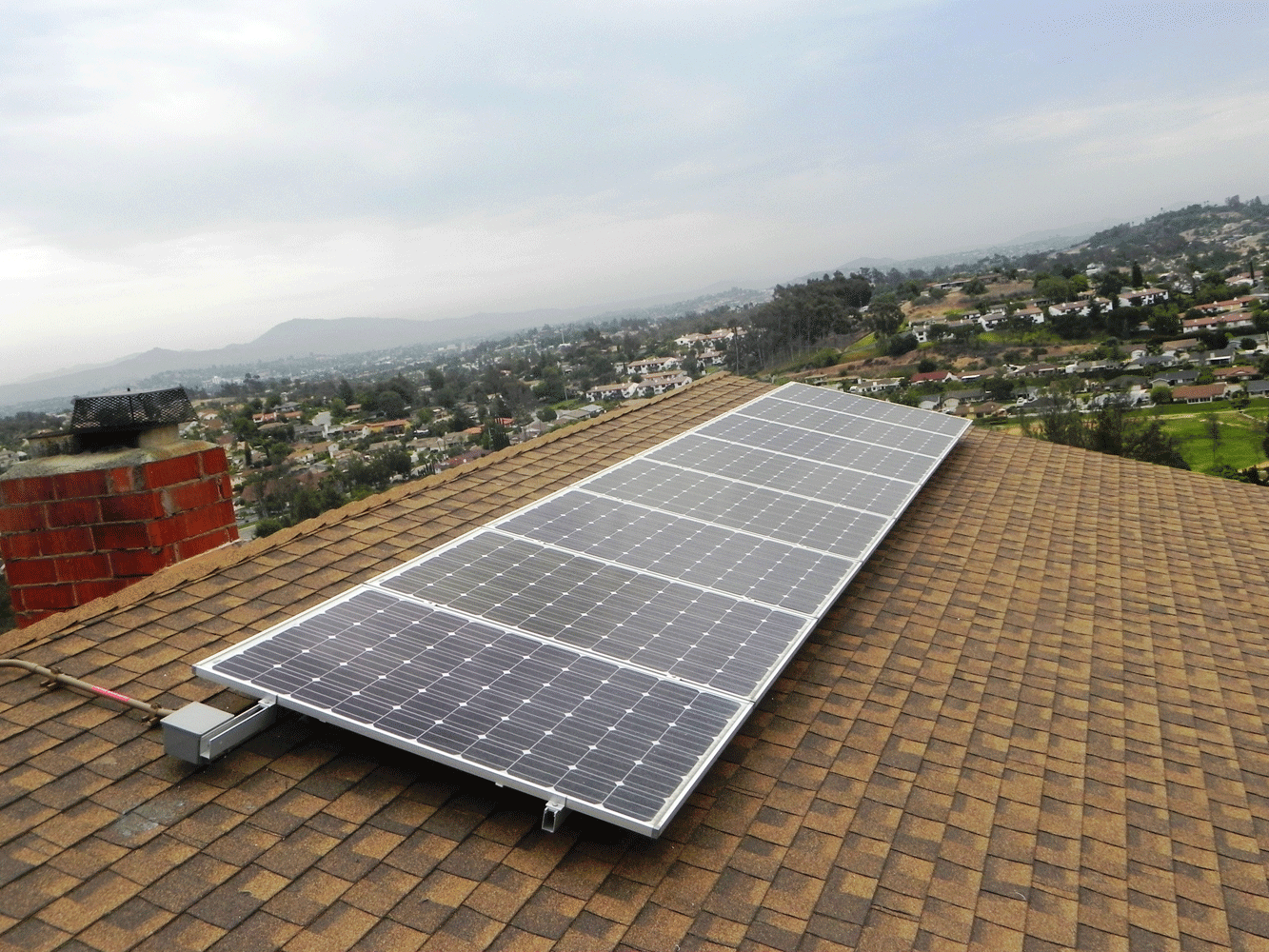
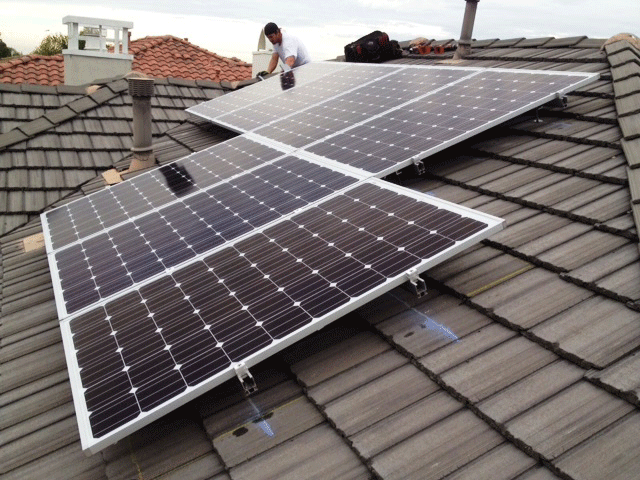
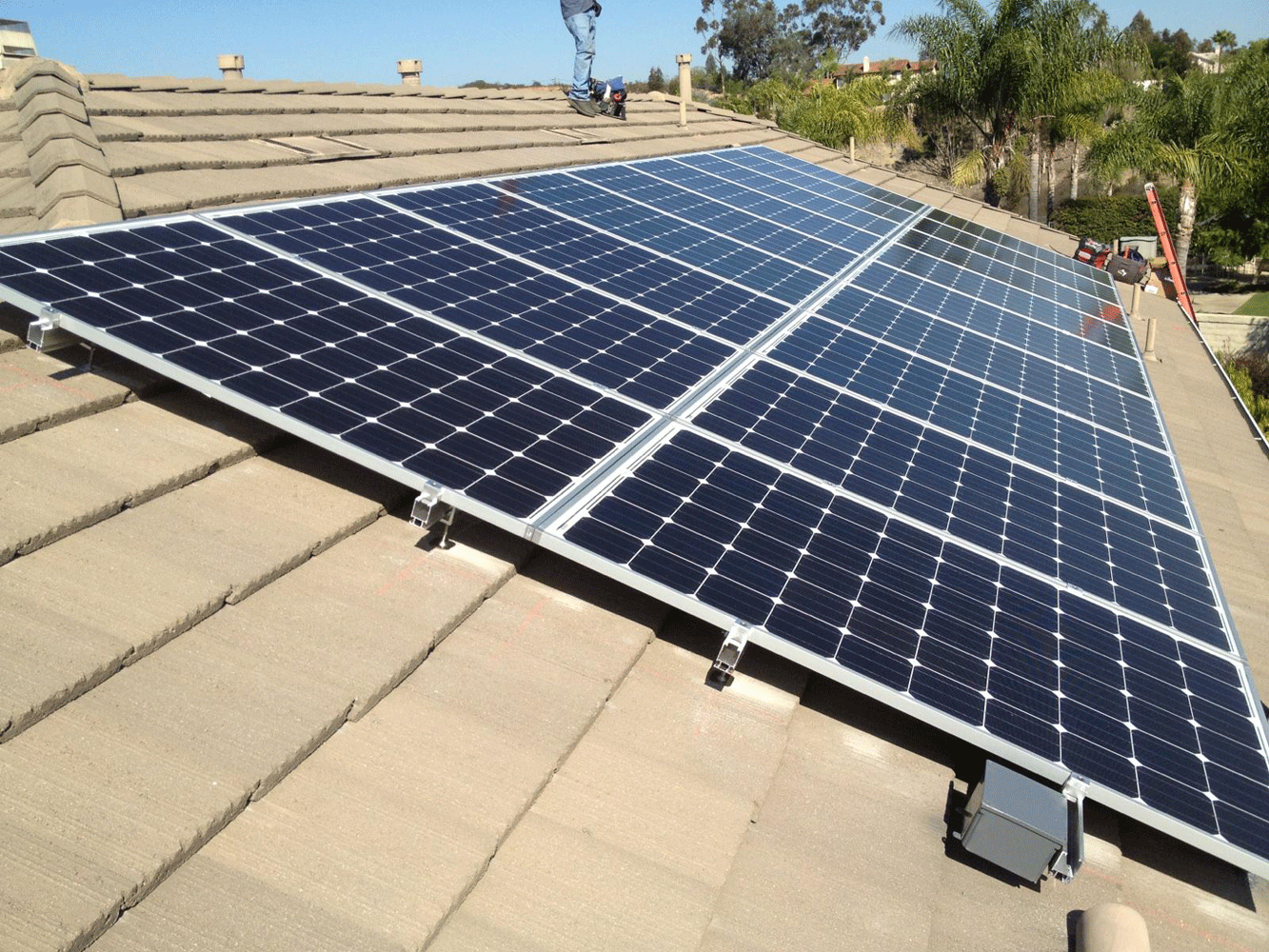
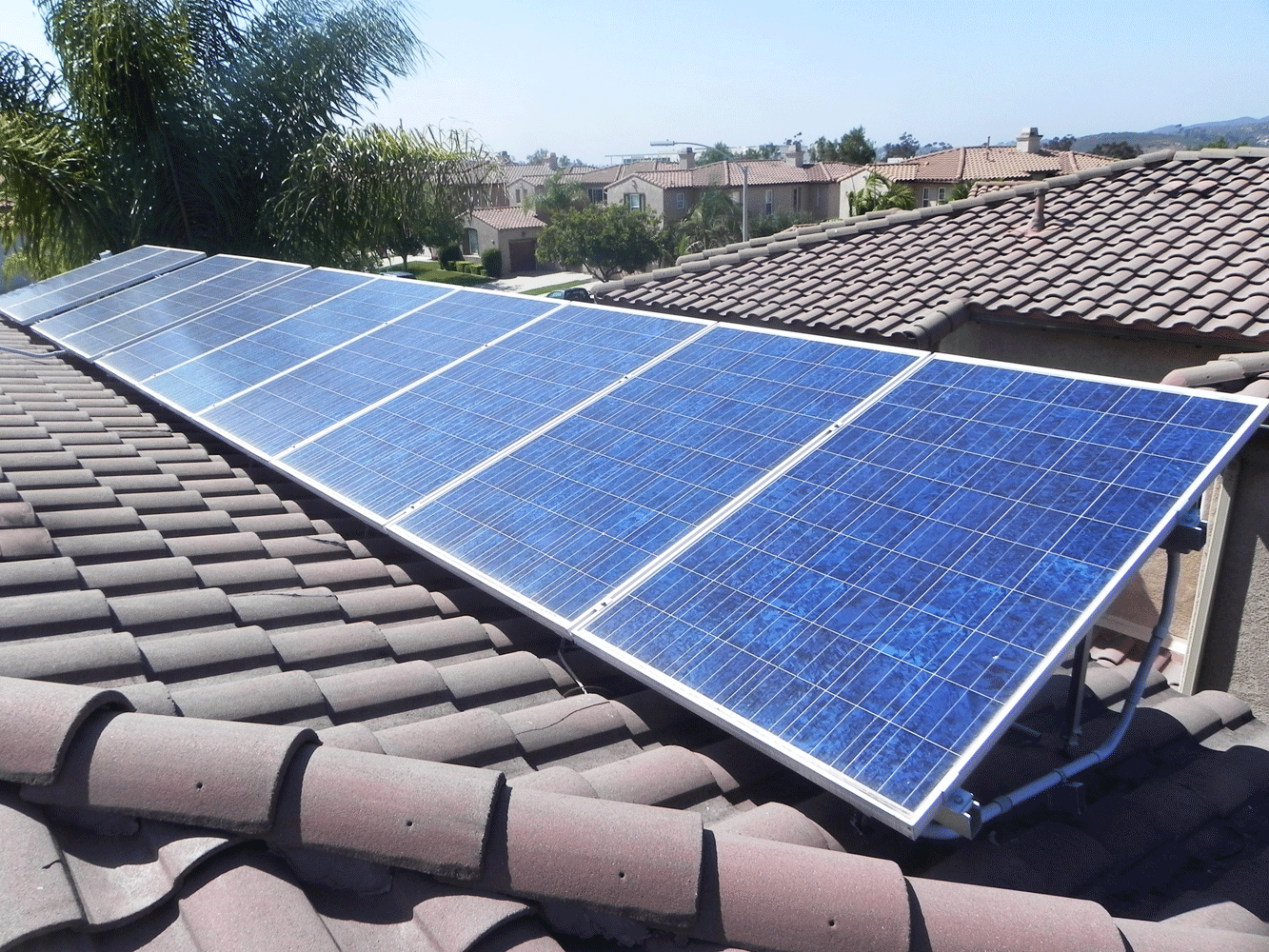
Solar Panel Systems
Here’s a modern, California-accurate rewrite of your solar page copy—clean, credible, and aligned with today’s policies (especially NEM 3.0 realities). I’ve also tightened the messaging to match how homeowners actually think right now.
Solar Energy for California Homes
Take Control of Rising Energy Costs
Energy prices in California continue to rise—and with utility rate increases happening year after year, many homeowners are looking for ways to take back control.
Solar power offers a smart, long-term solution. By generating your own electricity, you can reduce your dependence on the grid, stabilize your monthly costs, and invest in your home’s future.
Why Homeowners Are Choosing Solar Today
30% Federal Tax Credit (Still Available)
The federal Investment Tax Credit (ITC) currently allows homeowners to deduct 30% of the cost of a solar systemfrom their federal taxes. This incentive is available through at least 2032 (subject to eligibility).
Protection Against Utility Rate Increases
Electric rates in California—especially with providers like PG&E, SCE, and SDG&E—have been climbing steadily. Solar helps lock in predictable energy costs, protecting you from future hikes.
Battery Storage = Real Savings (NEM 3.0 Ready)
California’s updated net metering (NEM 3.0) means exporting excess energy to the grid is less valuable than it used to be.
That’s why modern systems are designed with battery storage, allowing you to:
-
Use your solar power at night
-
Avoid peak-rate electricity
-
Keep your home powered during outages
Increase Home Value
Homes with solar systems are consistently more attractive to buyers and can sell faster. Energy efficiency is no longer a luxury—it’s an expectation.
Property Tax Exemption
In California, adding solar does not increase your property taxes, even though it adds value to your home.
Clean, Renewable Energy
Solar energy reduces your reliance on fossil fuels and lowers your home’s carbon footprint—without sacrificing comfort or performance.
How Solar Works (Today)
Solar panels collect sunlight and generate DC (direct current) electricity.
An inverter converts that power into AC electricity, which your home uses.
Here’s where modern systems differ:
-
Your home uses solar energy first
-
Extra energy can be stored in a battery system
-
Only excess energy is sent back to the grid (at lower NEM 3.0 rates)
This approach maximizes your savings and gives you greater energy independence.
What About Your Electric Bill?
With the right system design, homeowners can:
-
Significantly reduce their monthly electric bill
-
Offset peak-rate usage with stored solar energy
-
Gain more control over long-term energy costs
While “$0 bills” are less common under new regulations, overall savings and stability are still strong—especially with battery-backed systems.
Understanding the Federal Tax Credit
The federal solar tax credit allows you to deduct 30% of your total system cost (including installation and battery storage) from your federal taxes.
Example:
-
System Cost: $30,000
-
Tax Credit (30%): $9,000
-
Net Cost: $21,000
This is a tax credit—not a deduction—meaning it directly reduces what you owe.
Is Solar Right for Your Home?
Every home is different. Factors like roof orientation, energy usage, and utility provider all play a role in designing the right system.
That’s why we offer a:
FREE Home Energy Assessment
We’ll evaluate your home, explain your options clearly, and design a system that makes sense for your goals—no pressure, no guesswork.
Why Work With QHR, Inc.?
QHR has been helping homeowners improve and protect their homes for years—not just following trends, but delivering real, long-term solutions.
When you choose QHR, you’re working with a company that understands:
-
California homes
-
Energy efficiency upgrades
-
Long-term value—not short-term sales
Take the First Step
Solar isn’t just about saving money—it’s about control, independence, and smart home investment.
Schedule your FREE Home Energy Assessment today and see what solar can do for your home.